Hello there! I'm Geraldine, a Master Certified Coach and the founder of GoMasterCoach. Over the years, I’ve had the privilege of coaching countless leaders and training new coaches. One thing I’ve discovered on this journey is that great coaching doesn’t appear out of thin air. In fact, our most powerful tools and insights come from a rich tapestry of disciplines from brain science to philosophy. I still remember my early days as a coach: I was eager to help people change but didn’t yet realize why certain techniques worked.
Once I started digging into the 10 foundational influences behind coaching, it felt like unlocking a treasure chest. Suddenly, I understood where our coaching questions, frameworks, and “aha” moments really come from, and it made me a more confident, effective coach.
In this article, I want to share these 10 proven disciplines that quietly power transformational coaching. I’ll walk you through each one: what it is, why it matters, and how you can use it – peppered with personal insights, practical tips, and a few client stories. My hope is that as an executive coach (or an aspiring one), you’ll not only gain clarity on why your methods work, but also pick up new ideas to deepen your practice. So, grab a cup of coffee (or tea!), and let’s dive in.
1. Neuroscience – The Brain Science of Change
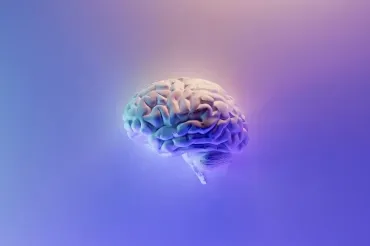
When I first heard coaches talk about neuroscience, I was intrigued but a bit intimidated. Was I supposed to become a brain scientist on top of everything else? Thankfully, you don’t need a Ph.D. to appreciate this field. Neuroscience is the study of the brain and nervous system, and it’s given us eye-opening insights into how people change habits, learn, and manage emotions. In coaching, neuroscience has become a secret sauce that explains why our techniques (like goal visualization or habit formation) are so effective.
For example, neuroscience shows that our brains are malleable – capable of forming new connections well into adulthood. This is called neuroplasticity, meaning the brain’s wiring can change with new experiences[1].
Why is that exciting for us coaches? It proves that no one is “stuck” with the brain they have. With practice and focus, clients can literally rewire their neural pathways to think and behave differently[2]. I often share this fact in sessions: “Each time you practice that new habit or thought, you’re strengthening new neural connections: your brain is changing!” Clients light up when they hear this; it gives them hope that change is biologically possible.
In practical terms, I use neuroscience by creating a brain-friendly coaching environment. That means ensuring my client feels safe (so their limbic system isn’t in fight-or-flight) and helping them focus on solutions rather than dwelling on problems. Why the positive focus? Research suggests that focusing on problems can actually reinforce those neural patterns, whereas focusing on solutions helps build new, healthier pathways[3][4]. For instance, when coaching a leader struggling with public speaking anxiety, I won’t have them replay every disastrous speech (which just fires those fear circuits again). Instead, we visualize a successful presentation and what that feels like, effectively training the brain in a positive direction. Neuroscience tells us that “neurons that fire together, wire together” so I encourage clients to repeatedly imagine and feel their desired future. Over time, those mental rehearsals make the real performance feel more natural.
Toolbox Tip: Try using simple brain science language with clients. Explain that their “aha” moments are the brain forging new connections (those delightful bursts of neuroplasticity!). I sometimes say, “That insight you just had? That’s your brain creating a new map for change.” It adds a bit of scientific magic to the session and assures the client that their hard work is literally reshaping their mind.

.svg)

.svg)
.webp)


.webp)





.jpg)